Folk Music 🎷

Folk music includes traditional folk music and the genre that evolved from it during the 20th-century folk revival. Some types of folk music may be called world music.
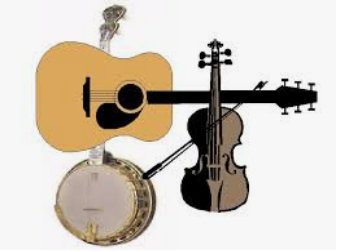
“FOLK MUSIC HAS PRETTY POWERFUL MEDICINE FOR CHANGING YOUR HEART”✨

Traditional folk music has been defined in several ways: as music transmitted orally, music with unknown composers, or music performed by custom over a long period of time. It has been contrasted with commercial and classical styles. The term originated in the 19th century, but folk music extends beyond that.

Singing🎤

“THOSE WHO WISH TO SING ALWAYS FIND A SONG”🎶

Singing is the act of producing musical sounds with the voice and augments regular speech by the use of sustained tonality, rhythm, and a variety of vocal techniques. A person who sings is called a singer or vocalist. Singers perform music that can be sung with or without accompaniment by musical instruments. 

Importance of Photography..📷

Photography can not only tell us about the past but it can also change the futureɉϬ

The importance of photography simply lies in the fact that without it, we wouldn’t be able to preserve memories of important moments of our lives and history.

Think for a moment of some of the most influential images ever taken.

These photos are much more than simple pictures. They represent the world, humanity, us. They tell us what we’ve achieved as humanity.

Photos show to all of us the extraordinary abilities we have but they also remember to us the horror that we are able to produce.

Some of these photos become history because they were the first of their genre, others because they help us understand who we are and give us a glimpse of the world and events that we didn’t even know or remember.

The importance of these iconic images together with countless others helps us shape our history and form opinions to make better decisions in the future.

Introduction to music🎶

Music is an art form, and cultural activity, whose medium is sound. General definitions of music include common elements such as pitch (which governs melody and harmony), rhythm (and its associated concepts tempo, meter, and articulation), dynamics (loudness and softness), and the sonic qualities of timbre and texture (which are sometimes termed the “color” of a musical sound). Different styles or types of music may emphasize, de-emphasize or omit some of these elements. Music is performed with a vast range of instruments and vocal techniques ranging from singing to rapping; there are solely instrumental pieces, solely vocal pieces (such as songs without instrumental accompaniment) and pieces that combine singing and instruments. The word derives from Greek μουσική (mousike; “art of the Muses“).See glossary of musical terminology.MusicA painting on an ancient Greek vase depicts a music lesson (c. 510 BC).MediumSound, silence, timeOriginating cultureVariousOriginating eraPaleolithic era